
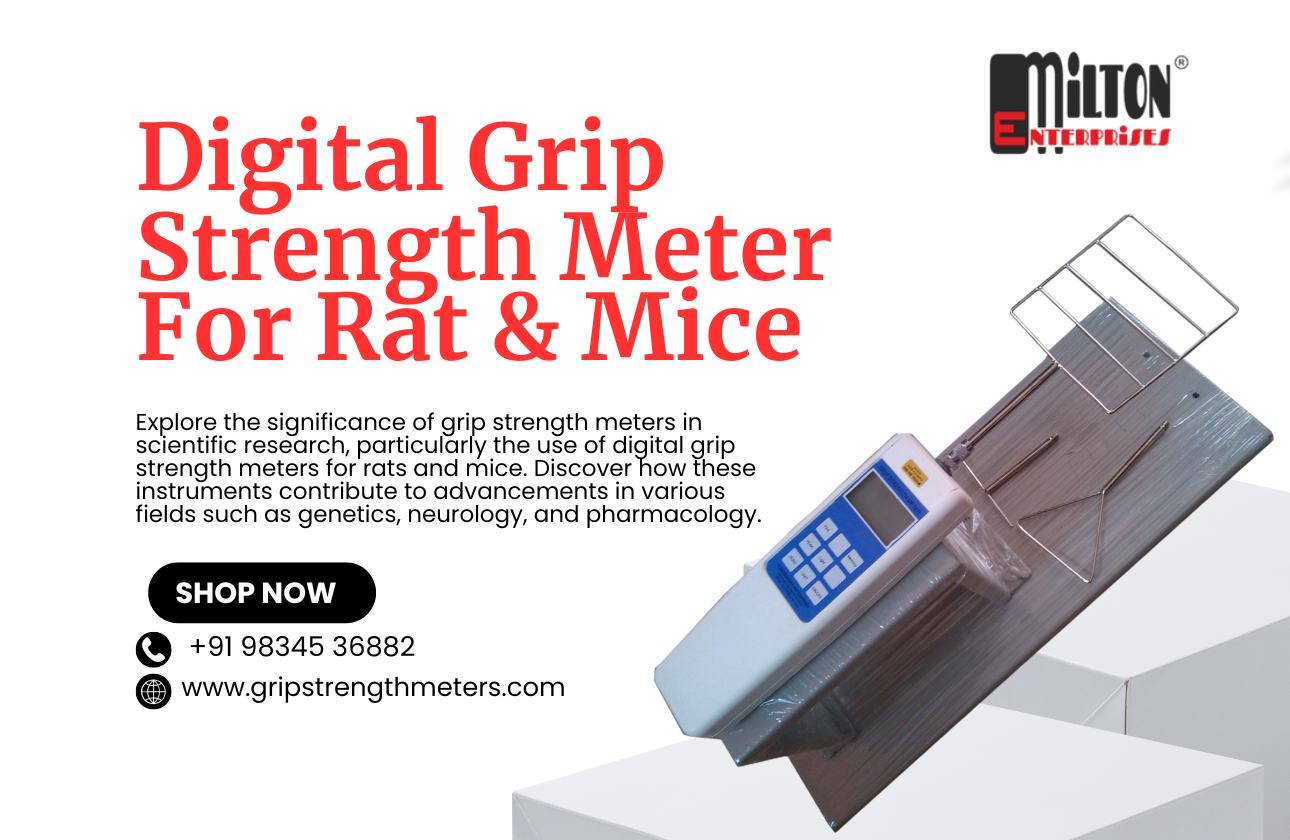
Understanding Grip Strength Meters: Key Tools for Rodent Research
In the realm of scientific research, especially in genetics, neurology, and pharmacology, precision tools are crucial in conducting experiments and obtaining reliable data. One such indispensable tool is the grip strength meter. This device is pivotal for researchers studying muscular function and progress in rodents, specifically rats and mice. By understanding how these meters work and their applications, scientists can greatly enhance their research outcomes.
What is a Grip Strength Meter?
A grip strength meter is a device designed to measure the maximum grip force exerted by an organism. In human fitness assessments, grip strength meters help judge overall muscle strength and endurance. Similarly, in animal research, these tools provide insights into the muscular condition and health of animals, often acting as indicators of neurological and muscular diseases.
Why Use Grip Strength Meters in Rodent Research?
In research settings, particularly studies involving rats and mice, acquiring precise data on muscle function can offer critical insights. Since rodents are frequently used as model organisms due to their genetic, biological, and behavioral similarities with humans, measuring their grip strength helps in understanding and exploring various human diseases, responses to treatments, and the effects of genetic modifications.
Applications in Neuroscience
Research in neurology often uses grip strength meters to assess the impact of neurological conditions and interventions on muscle function. For example, rodent models of Parkinson's disease or amyotrophic lateral sclerosis (ALS) may be studied using these meters to evaluate disease progression and treatment efficacy.
Genetic Studies
A significant portion of genetic research involves understanding how certain genes affect physical attributes, including muscle function. By integrating digital grip strength meters for rats and mice, researchers can quantify how specific genetic alterations influence muscle strength, thereby advancing genetic therapies and interventions.
Digital Grip Strength Meters: Precision and Convenience
The advent of digital grip strength meters has revolutionized how researchers conduct their studies. These devices offer several advantages:
- Accuracy and Precision: Digital meters provide more precise measurements, which is crucial for reproducibility and validity in research findings.
- Data Integration: They often come with software capabilities that allow seamless data collection, storage, and analysis, facilitating comprehensive research insights.
- Ease of Use: Enhanced user-friendly interfaces ensure that researchers can focus on their studies without dealing with the complexities of device operation.
Conclusion
The implementation of grip strength meters, specifically digital grip strength meters for rats and mice, is pivotal for advancing research in various biomedical fields. These powerful tools provide accurate measurements of muscular function, facilitating breakthroughs in understanding diseases and developing novel therapies. As researchers continue to refine these devices, their applications will undoubtedly expand, offering new avenues for scientific exploration and discovery.