
Introduction to Grip Strength Meters
Grip strength meters are essential tools used in various research settings to measure the grip force exerted by a subject. These devices are widely used in both human and animal studies to assess muscular strength and evaluate potential alterations in motor function due to neurological or muscular conditions.
The Science Behind Grip Strength Meters
Grip strength meters work by quantifying the force applied by the subject on a sensing device. Typically composed of a sensor connected to a data acquisition system, these meters offer instantaneous feedback and precise measurements critical for longitudinal studies or for assessing the impact of experimental treatments.
Why Choose Grip Strength Meters?
For researchers focusing on muscular and neurological studies, grip strength meters offer numerous benefits:
- Objective Measurements: Ensures unbiased and accurate results crucial for scientific research.
- Versatile Applications: Used in both clinical and laboratory settings, offering flexibility.
- Scientific Insight: Provides insights into muscle growth, neurodegenerative diseases, and the effectiveness of interventions.
Grip Strength Meters in Animal Research
While gripstrengthmeters are popularly known for human use, their role in animal research, particularly in studies involving rats and mice, is indispensable. Here is why:
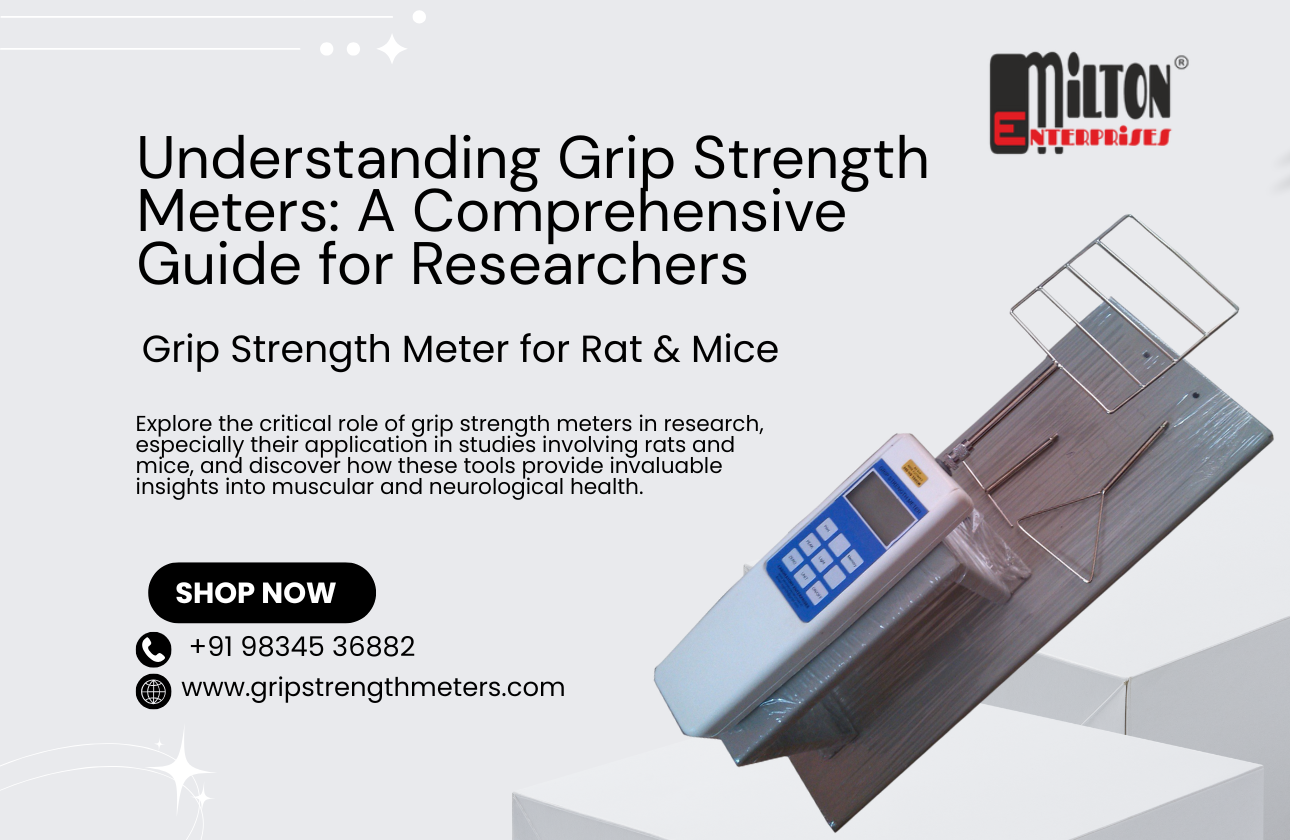
Grip Strength Meter for Rat & Mice
Gripstrengthmeters used in rodent studies have adapted designs to accommodate small animals like rats and mice. These devices are crucial in fields such as pharmacology, neuroscience, and genetic research where understanding muscle function changes can lead to breakthroughs in treatment and management of diseases.
By measuring baseline and post-intervention grip strength, researchers can infer muscle condition and overall health status. The data obtained assists in determining the efficacy of drugs, diet changes, or genetic modifications.
Choosing the Right Gripstrengthmeters
When selecting a grip strength meter, consider the following:
- Sensitivity: Necessary for detecting subtle changes, especially in small animals.
- Data Handling: Ensure the Grip Strength Meter for Rat & Mice can integrate with your existing data systems for streamlined analysis.
- Durability: Opt for meters with robust construction for repeated use.
Conclusion
Grip Strength Meter for Rat & Mice provide vital metrics that contribute significantly to research outcomes. Whether you're investigating muscular disorders or evaluating the impact of genetic engineering in rodents, selecting the right meter is fundamental to obtaining reliable data. By embracing these precision tools, researchers can further delve into the intricacies of muscular and neurological health across species.